How to Get Rid of Fruit Flies
Fruit flies can appear almost overnight. One day your kitchen is clean, and the next you are swatting tiny flies hovering around your sink, trash can, or fruit bowl. If you are searching for how to get rid of fruit flies, you are not alone. This is one of the most common pest concerns for homeowners in Tallahassee and surrounding North Florida communities.
In this guide, we will walk you through:
- Where fruit flies come from
- What fruit flies eat
- How long a fruit fly lives
- How to eliminate fruit flies in the house step by step
- Whether it is safe to treat fruit flies yourself
- When to call professional Tallahassee pest control services
By the end, you will understand how to eliminate the problem properly and prevent it from coming back.
Where Do Fruit Flies Come From?
One of the first questions homeowners ask is, where do fruit flies come from?
Fruit flies are attracted to:
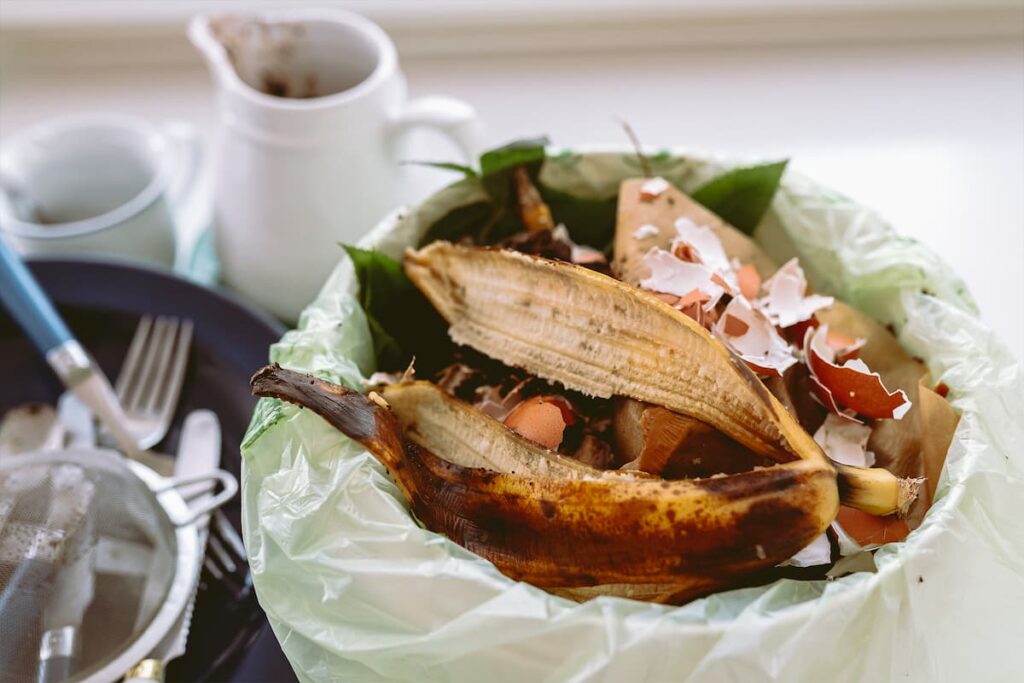
- Overripe fruit
- Fermenting vegetables
- Sugary spills
- Trash cans
- Recycling bins
- Sink drains with organic buildup
In Tallahassee’s warm, humid climate, fruit flies reproduce quickly. Even a small amount of organic residue in a garbage disposal or drain line can become a breeding ground.
What makes fruit flies especially frustrating is that they often hitchhike into your home. They can arrive on:
- Bananas or produce from the grocery store
- Farmers market fruit
- Compost materials
- Outdoor plants
Once inside, they detect moisture and fermenting sugars. That is when the population starts multiplying.
What Do Fruit Flies Eat?

Understanding what do fruit flies eat is key to controlling them.
Fruit flies are attracted to:
- Fermenting fruits like bananas, apples, and berries
- Sugary liquids such as juice, soda, and wine
- Vinegar
- Beer
- Organic residue in drains
- Rotting vegetables
- Trash containing food waste
They feed on yeast produced during the fermentation process. That is why even a nearly empty wine glass left overnight can attract them.
In many Tallahassee homes, the most overlooked source is the sink drain. Tiny food particles accumulate and begin to break down. Fruit flies lay eggs in that moist environment.
If you remove their food source, you remove their reason to stay.
How Long Does a Fruit Fly Live?
Another important factor in learning how to get rid of fruit flies is understanding their life cycle.
So, how long does a fruit fly live?
The average fruit fly lives about 8 to 15 days. However, the problem is not the lifespan. It is how quickly they reproduce.
A female fruit fly can lay up to 500 eggs in her lifetime. Eggs hatch in about 24 to 30 hours. Larvae mature within a few days. In warm conditions like those common in Tallahassee, a full generation can develop in about a week.
That means if you see 10 fruit flies today, you could see dozens or hundreds within days if the breeding site is not eliminated.
How to Eliminate Fruit Flies in the House: Step-by-Step
If you want to know how to eliminate fruit flies in the house, follow this structured approach.
Step 1: Remove All Food Sources
- Discard overripe fruit
- Refrigerate produce
- Seal trash bags tightly
- Take trash outside daily
- Clean recycling bins
Wipe down countertops thoroughly, especially areas where sugary spills may have occurred.
Step 2: Clean the Drains
Drain cleaning is often the most critical step.
- Pour boiling water down the drain
- Scrub inside the drain with a drain brush
- Use an enzyme-based drain cleaner to break down organic buildup
Avoid relying solely on bleach. Bleach does not penetrate organic sludge effectively.
Step 3: Set Traps
Homemade traps can help reduce adult populations.
A common method:
- Pour apple cider vinegar into a bowl
- Add a drop of dish soap
- Cover with plastic wrap and poke small holes
This attracts and traps adult fruit flies. While traps help, they do not eliminate the source.
Step 4: Inspect Hidden Areas
Fruit flies may also breed in:
- Mop buckets
- Under appliances
- Garbage disposals
- Pantry spills
- Compost bins
Thorough inspection is critical.
Is It Safe to Treat Fruit Flies Yourself?
Many homeowners ask, is it safe to treat fruit flies on their own?
In most cases, yes. Basic sanitation and non-toxic traps are safe and effective for minor infestations.
However, caution is necessary when using:
- Aerosol insecticides
- Chemical drain cleaners
- Foggers
These products can pose risks to pets, children, and indoor air quality.
If fruit flies persist despite your efforts, there may be a hidden breeding site inside walls, under flooring, or in plumbing lines. That is when professional help becomes important.
Why Fruit Flies Are Common in Tallahassee Homes
Tallahassee’s climate plays a significant role.
High humidity and warm temperatures create ideal breeding conditions year-round. Homes with:
- Frequent cooking
- Composting habits
- Open produce storage
- Outdoor garbage storage near the home
are more susceptible.
During late spring and summer, fruit fly populations can explode quickly.
Advanced Prevention Strategies
If you want to prevent future infestations, incorporate these habits:
- Store produce in the refrigerator
- Rinse fruit immediately after purchase
- Clean drains weekly
- Keep garbage lids sealed
- Avoid leaving wine or sugary drinks uncovered
- Deep clean garbage disposals monthly
Prevention is far easier than elimination.
When to Call Tallahassee Pest Control Services
If you have followed every step and are still asking how to get rid of fruit flies, it may be time to contact professionals.
Persistent fruit fly infestations can indicate:
- Hidden plumbing leaks
- Drain fly misidentification
- Moisture issues inside walls
- Structural sanitation problems
Professional technicians can:
- Identify the exact species
- Locate hidden breeding sites
- Apply targeted treatments
- Provide long-term prevention guidance
Capital City Pest Control offers reliable Tallahassee pest control services tailored to North Florida homes. We understand the unique climate challenges and pest pressures of the region.
Fruit Flies vs Drain Flies: Know the Difference
Many homeowners confuse fruit flies with drain flies.
Fruit flies:
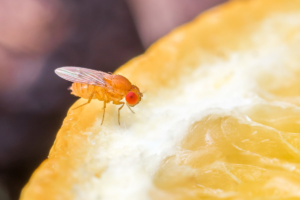
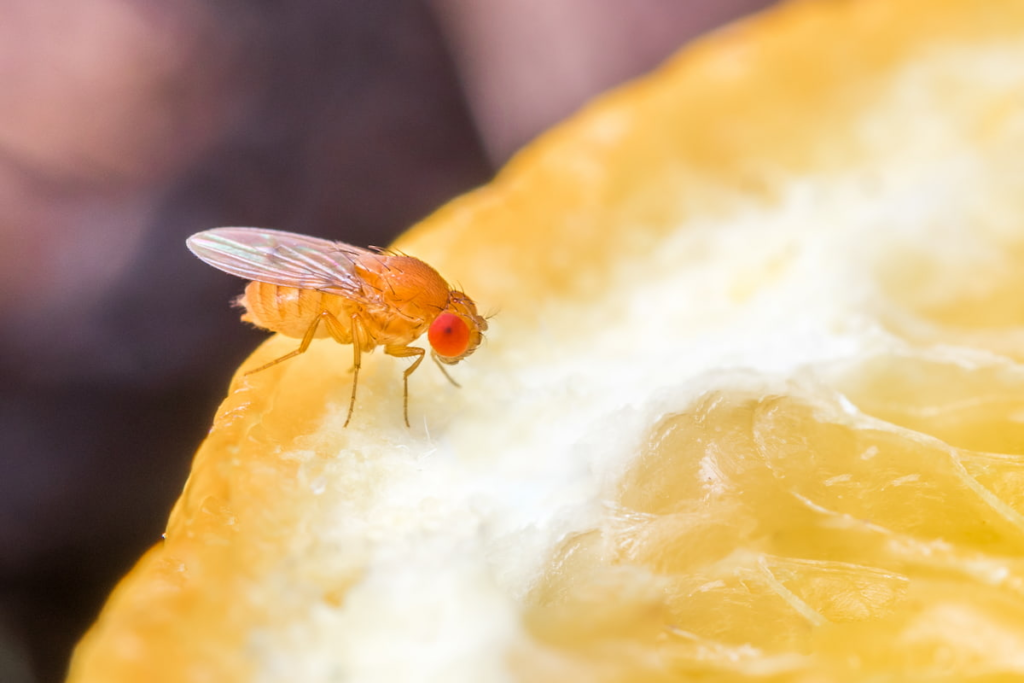
- Tan or light brown
- Red eyes
- Hover near fruit or trash
Drain flies:
- Fuzzy appearance
- Dark gray or black
- Rest on walls near drains
Proper identification matters because treatment approaches differ.
Final Thoughts: How to Get Rid of Fruit Flies for Good
If you are serious about learning how to get rid of fruit flies, remember this:
Eliminating the source is the only real solution.
- Remove fermenting materials
- Clean drains thoroughly
- Maintain sanitation
- Monitor moisture
Because fruit flies reproduce quickly and can lay hundreds of eggs, early action is essential.
If you are in Tallahassee or surrounding areas and need help, Capital City Pest Control is here to provide professional Tallahassee pest control services designed to eliminate fruit flies and prevent them from returning.
How to Get Rid of Fruit Flies
Fruit flies can appear almost overnight. One day your kitchen is clean, and the next you are swatting tiny flies hovering around your sink, trash can, or fruit bowl. If you are searching for how to get rid of fruit flies, you are not alone. This is one of the most common pest concerns for homeowners in Tallahassee and surrounding North Florida communities.
In this guide, we will walk you through:
- Where fruit flies come from
- What fruit flies eat
- How long a fruit fly lives
- How to eliminate fruit flies in the house step by step
- Whether it is safe to treat fruit flies yourself
- When to call professional Tallahassee pest control services
By the end, you will understand how to eliminate the problem properly and prevent it from coming back.
Where Do Fruit Flies Come From?
One of the first questions homeowners ask is, where do fruit flies come from?
Fruit flies are attracted to:
- Overripe fruit
- Fermenting vegetables
- Sugary spills
- Trash cans
- Recycling bins
- Sink drains with organic buildup
In Tallahassee’s warm, humid climate, fruit flies reproduce quickly. Even a small amount of organic residue in a garbage disposal or drain line can become a breeding ground.
What makes fruit flies especially frustrating is that they often hitchhike into your home. They can arrive on:
- Bananas or produce from the grocery store
- Farmers market fruit
- Compost materials
- Outdoor plants
Once inside, they detect moisture and fermenting sugars. That is when the population starts multiplying.
What Do Fruit Flies Eat?
Understanding what do fruit flies eat is key to controlling them.
Fruit flies are attracted to:
- Fermenting fruits like bananas, apples, and berries
- Sugary liquids such as juice, soda, and wine
- Vinegar
- Beer
- Organic residue in drains
- Rotting vegetables
- Trash containing food waste
They feed on yeast produced during the fermentation process. That is why even a nearly empty wine glass left overnight can attract them.
In many Tallahassee homes, the most overlooked source is the sink drain. Tiny food particles accumulate and begin to break down. Fruit flies lay eggs in that moist environment.
If you remove their food source, you remove their reason to stay.
How Long Does a Fruit Fly Live?
Another important factor in learning how to get rid of fruit flies is understanding their life cycle.
So, how long does a fruit fly live?
The average fruit fly lives about 8 to 15 days. However, the problem is not the lifespan. It is how quickly they reproduce.
A female fruit fly can lay up to 500 eggs in her lifetime. Eggs hatch in about 24 to 30 hours. Larvae mature within a few days. In warm conditions like those common in Tallahassee, a full generation can develop in about a week.
That means if you see 10 fruit flies today, you could see dozens or hundreds within days if the breeding site is not eliminated.
How to Eliminate Fruit Flies in the House: Step-by-Step
If you want to know how to eliminate fruit flies in the house, follow this structured approach.
Step 1: Remove All Food Sources
- Discard overripe fruit
- Refrigerate produce
- Seal trash bags tightly
- Take trash outside daily
- Clean recycling bins
Wipe down countertops thoroughly, especially areas where sugary spills may have occurred.
Step 2: Clean the Drains
Drain cleaning is often the most critical step.
- Pour boiling water down the drain
- Scrub inside the drain with a drain brush
- Use an enzyme-based drain cleaner to break down organic buildup
Avoid relying solely on bleach. Bleach does not penetrate organic sludge effectively.
Step 3: Set Traps
Homemade traps can help reduce adult populations.
A common method:
- Pour apple cider vinegar into a bowl
- Add a drop of dish soap
- Cover with plastic wrap and poke small holes
This attracts and traps adult fruit flies. While traps help, they do not eliminate the source.
Step 4: Inspect Hidden Areas
Fruit flies may also breed in:
- Mop buckets
- Under appliances
- Garbage disposals
- Pantry spills
- Compost bins
Thorough inspection is critical.
Is It Safe to Treat Fruit Flies Yourself?
Many homeowners ask, is it safe to treat fruit flies on their own?
In most cases, yes. Basic sanitation and non-toxic traps are safe and effective for minor infestations.
However, caution is necessary when using:
- Aerosol insecticides
- Chemical drain cleaners
- Foggers
These products can pose risks to pets, children, and indoor air quality.
If fruit flies persist despite your efforts, there may be a hidden breeding site inside walls, under flooring, or in plumbing lines. That is when professional help becomes important.
Why Fruit Flies Are Common in Tallahassee Homes
Tallahassee’s climate plays a significant role.
High humidity and warm temperatures create ideal breeding conditions year-round. Homes with:
- Frequent cooking
- Composting habits
- Open produce storage
- Outdoor garbage storage near the home
are more susceptible.
During late spring and summer, fruit fly populations can explode quickly.
Advanced Prevention Strategies
If you want to prevent future infestations, incorporate these habits:
- Store produce in the refrigerator
- Rinse fruit immediately after purchase
- Clean drains weekly
- Keep garbage lids sealed
- Avoid leaving wine or sugary drinks uncovered
- Deep clean garbage disposals monthly
Prevention is far easier than elimination.
When to Call Tallahassee Pest Control Services
If you have followed every step and are still asking how to get rid of fruit flies, it may be time to contact professionals.
Persistent fruit fly infestations can indicate:
- Hidden plumbing leaks
- Drain fly misidentification
- Moisture issues inside walls
- Structural sanitation problems
Professional technicians can:
- Identify the exact species
- Locate hidden breeding sites
- Apply targeted treatments
- Provide long-term prevention guidance
Capital City Pest Control offers reliable Tallahassee pest control services tailored to North Florida homes. We understand the unique climate challenges and pest pressures of the region.
Fruit Flies vs Drain Flies: Know the Difference
Many homeowners confuse fruit flies with drain flies.
Fruit flies:
- Tan or light brown
- Red eyes
- Hover near fruit or trash
Drain flies:
- Fuzzy appearance
- Dark gray or black
- Rest on walls near drains
Proper identification matters because treatment approaches differ.
Final Thoughts: How to Get Rid of Fruit Flies for Good
If you are serious about learning how to get rid of fruit flies, remember this:
Eliminating the source is the only real solution.
- Remove fermenting materials
- Clean drains thoroughly
- Maintain sanitation
- Monitor moisture
Because fruit flies reproduce quickly and can lay hundreds of eggs, early action is essential.
If you are in Tallahassee or surrounding areas and need help, Capital City Pest Control is here to provide professional Tallahassee pest control services designed to eliminate fruit flies and prevent them from returning.
Frequently Asked Questions
If you eliminate the breeding source, you may see improvement within a few days. Complete elimination can take 7 to 10 days depending on the life cycle.
They often arrive on produce or enter through small openings. Even clean homes can have hidden drain buildup that supports breeding.
They feed on any fermenting organic matter, including vegetables, sugary liquids, trash residue, and drain sludge.
Some sprays are safe when used properly, but sanitation and source removal are more effective long-term solutions.
If infestations persist after cleaning and trapping, or if you suspect hidden moisture issues, professional inspection is recommended.